


There would always be a transition in Cleveland once Jim Schwartz stepped away from coaching in 2026. With Kevin Stefanski out and heading to Atlanta, the Browns turned to Ravens Offensive Coordinator Todd Monken as his replacement.
Schwartz, who had been with the team the last three years and whose units ranked in the top-ten in DVOA in two of those three, promptly retired on February 6th, when Cleveland didn’t give him the job. Monken and the Browns didn’t want to wholesale change the defensive system.
With established players like Myles Garrett, Denzel Ward, and Grant Delpit set to return, and after trading for the Jaguars’ Tyson Campbell the previous season, the Browns already had a clear schematic identity. Plus, promising rookies in 1st-rounder Mason Graham and 2025 defensive rookie of the year Carson Schwesinger were also in the fray.
There was no clear Schwartz heir apparent, so Monken and the Browns hired Atlanta Falcons’ Passing Game Coordinator Mike Rutenberg as their next defensive coordinator.
Garrett would be traded to the Rams for Jared Verse and mainly a ‘27 1st-round pick. Delpit and Ward would receive extensions in late July. Though not a total reset, losing Garrett changed what the Cleveland defense could be in 2026.
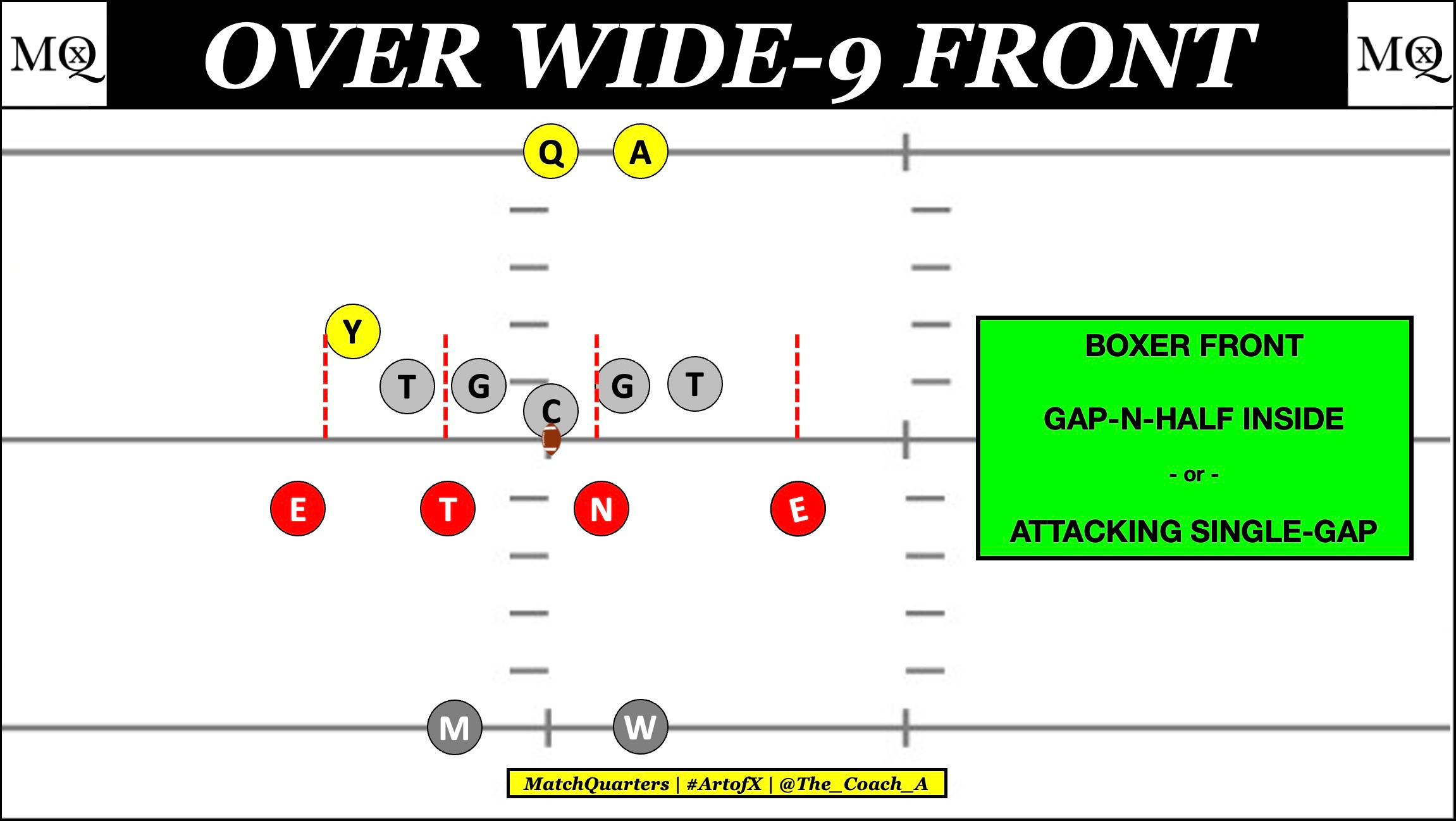
Since 2020, Rutenberg has worked under Robert Saleh or Jeff Ulbrich. That system is structurally similar to what Schwartz was running in Cleveland, with a Wide-9 Base defense. Coverage selection is where it differs.

Under Schwartz, the Browns consistently led the league in Cover 1 usage, bucking the trend toward a zone-centric style. The Saleh/Ulbrich system is built on Cover 1 and Quarters, using Cover 1 as a change-up or 3rd & Medium call.
Rutenberg, in line with what the Browns and Monken wanted, has leaned fully into Cover 1, leading the NFL and running it on almost 50% of their downs. But, the new DC has deviated from Schwartz by blitzing more.
Under Schwartz, the Browns typically were at the bottom of the league in Blitz Rate, finishing 26th in 2025 (24%). In ‘26, that rate has increased to almost a third of Cleveland’s plays, sitting them 12th overall. Interestingly, Stunt Rates have also increased from 15% in ‘25 (24th) to 26% in ‘26 (2nd).
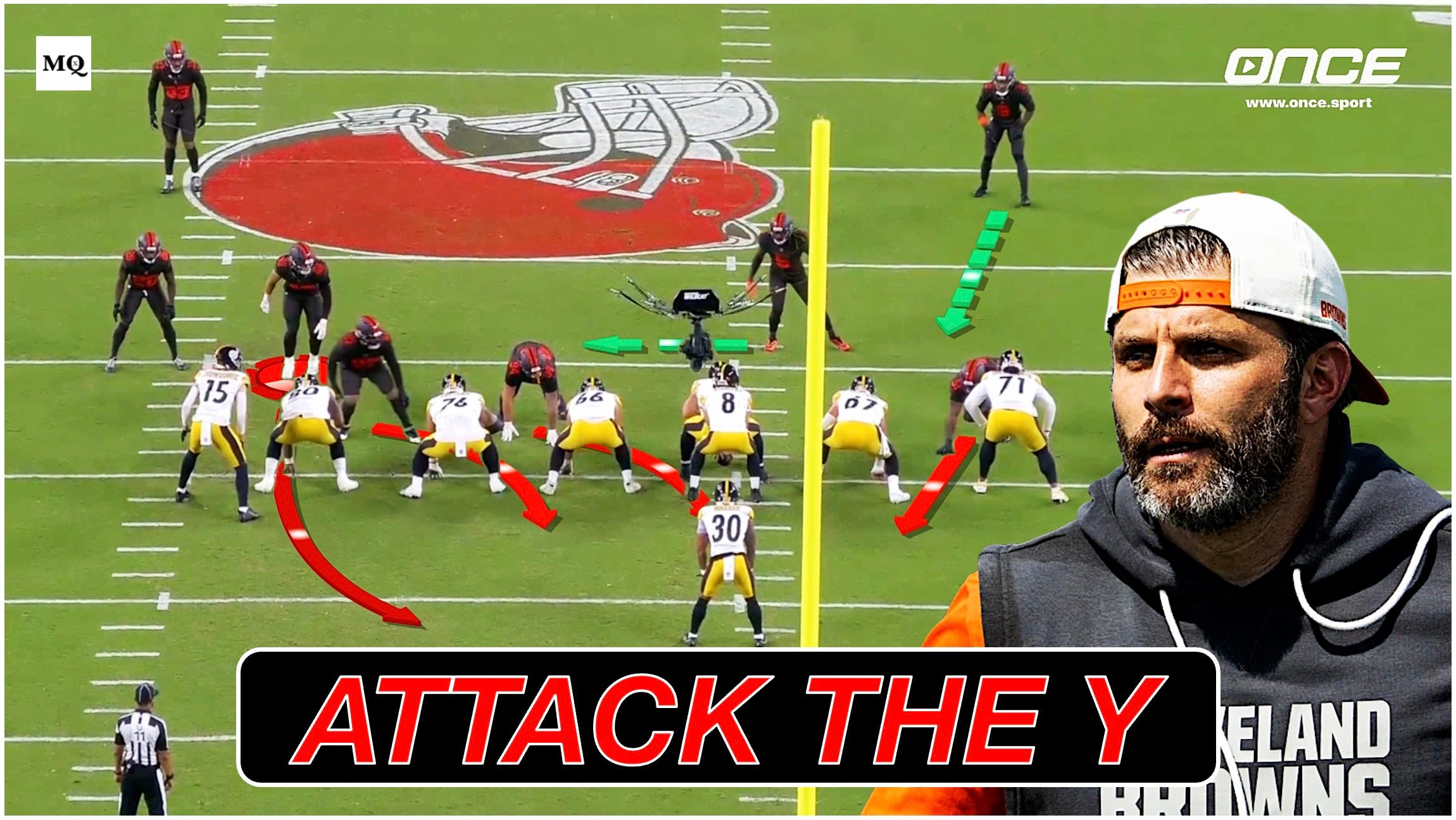
Against the Steelers on Thursday Night Football, Rutenberg illustrated his movement philosophy by attacking Pittsburgh’s TEs on early downs against the run. Currently, the Browns are not in the top ten in DVOA (FTN) and are struggling against the run in the first month of the season (21st in DVOA).
Currently, the Browns are seventh in Run Blitz Rate (32%), but they've been chaotic in how they deploy it. Against the Buccaneers (W2) and the Steelers (W4), the RBR was over 43%, but against the Jaguars (W1) and Panthers (W3), it was under 22%.
That is a big swing. In their first four games, only the Steelers didn’t clear the century mark (92).
The efficiency of the pressures is also disjointed. When the Browns blitz against the run, they have a 50% Stop Rate and have created seven No-Gains + TFLs (x31). When Cleveland plays the run “straight up,” they have a 46% Stop Rate but have only created eight total NG + TFLs. The EPA/run is only 0.05 higher when comparing Blitz vs. No Blitz, which is basically neutral.
The game against the Steelers might serve as a blueprint in the future. Though the EPA/rush when blitzing was neutral, the Average Depth of Tackle (ADOTK) went from 5.6 to 3.7, almost a full two yards.
Rutenberg is finding out what his system and roster can do. So far, attacking opponents’ passing games has been the only thing Cleveland can consistently hang their hat on. Currently, the Browns rank 11th in Pass DVOA and are top-five in Win%, Total Pressures, Pressure%, and PFF’s Pass Rush Production (PRP) score.
The Browns’ main vulnerability remains the early-down run game. Rutenberg’s answer against the Steelers wasn't to sit in Base and try to play gap control (sit-n-get) against Pittsburgh’s massive TE, Darnell Washington (80), but to bring pressure directly at the point of attack to reset the line of scrimmage.
Below, I dive into the three best examples from last Thursday night.

A complete video analysis software for any sport.
Once Sport Analyzer is a powerful, yet easy-to-use video analysis software with advanced tagging, 3D telestration, automatic tracking, and live analysis – built for coaches and analysts at all levels.
14-day Free Trial available – no credit card required!
Use promo code MATCHQUARTERS for a 10% discount!
