


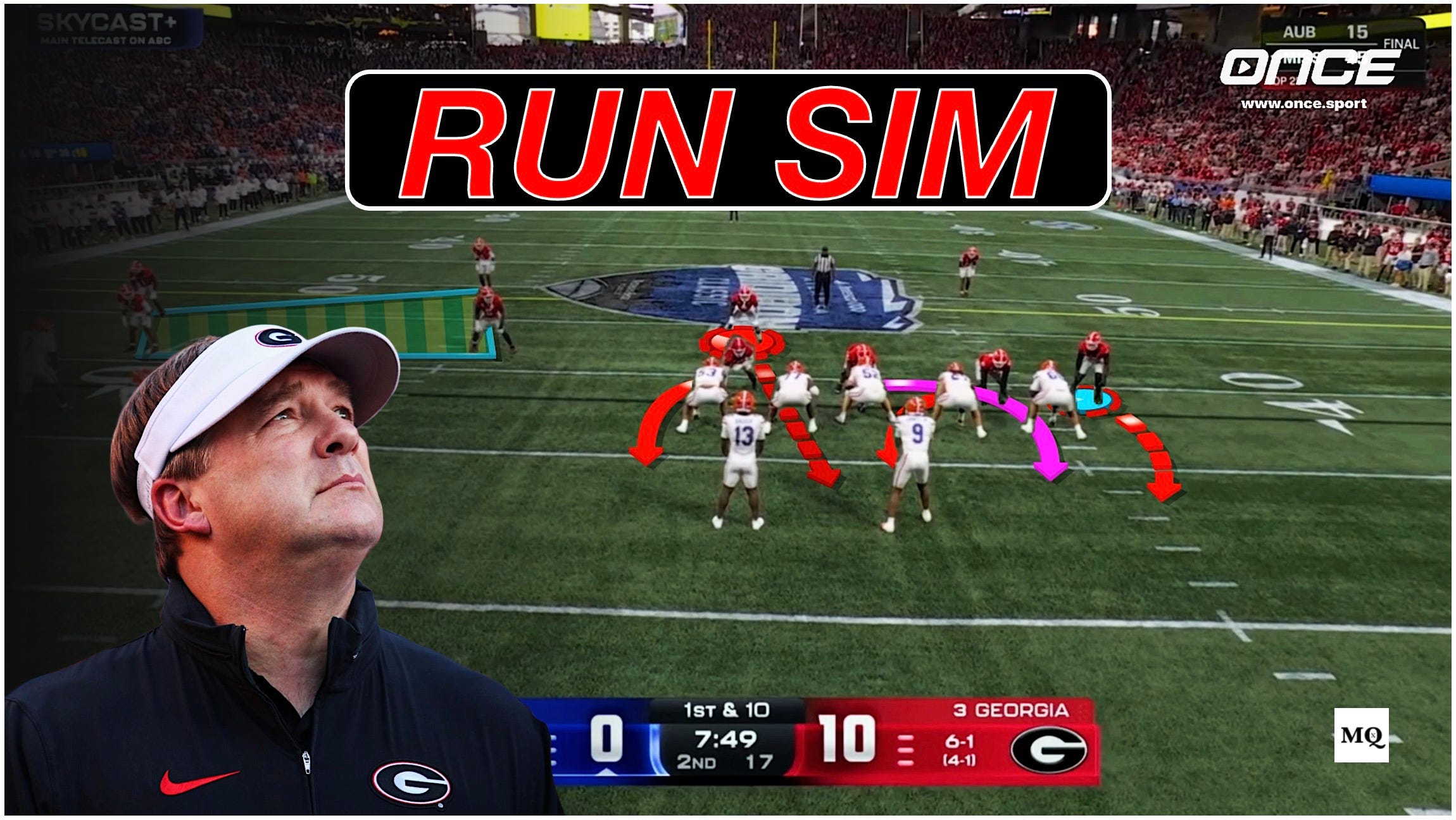
Elite defenses tend to build their foundation on stopping the run. At any level, the best defenses in football can stop the run with limited numbers, separating an elite unit from the pack.
Defense is a simple math problem, complicated by space. Offenses constantly hunt space and angles, while the defense, being reactionary, searches for ways to constrain these contested areas.

For Georgia and Head Coach Kirby Smart, the foundation of their complicated defense rests on a simple focus: stop the run with as few men as possible. The modern game is passing-oriented, but football at all levels still has one first-order principle: stop the run.
First Principle Thinking: A problem-solving approach that breaks complex ideas or problems into basic, undeniable truths and builds solutions from there, rather than relying on analogy, convention, or imitation.
Building on an elite run defense, the Bulldogs are a perennial top defense in college football. Currently, Georgia ranks first in Success Rate, 2nd in DFEI, and #5 in Points Per Drive, according to Brian Fremeau’s BCF Toys.
The goal in Athens is to put as few defenders in the box as possible, changing the math in the back end. If the defense can fit the run with only five to six defenders, the Bulldogs get a distinct advantage in the passing game.
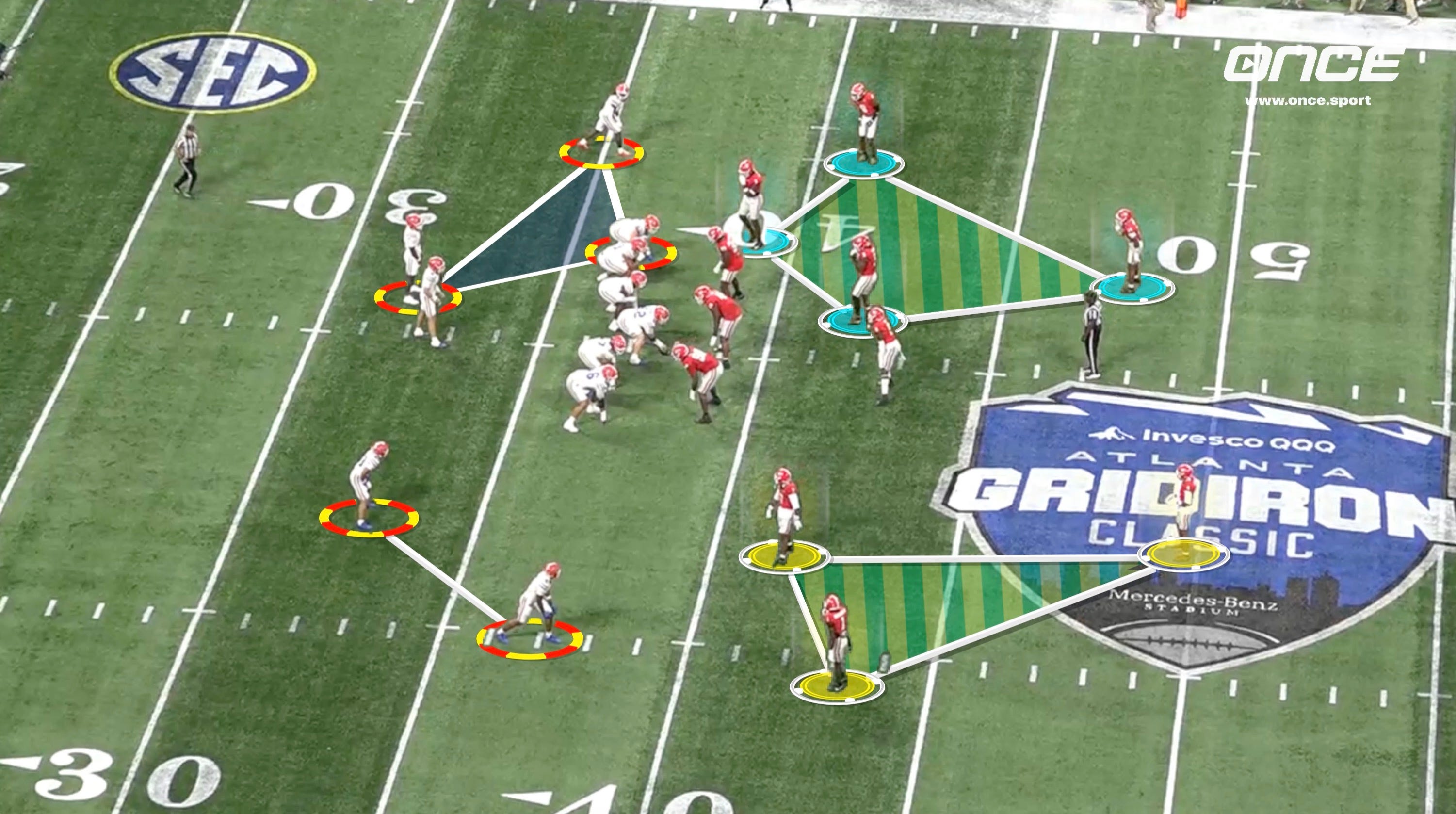
Georgia runs man coverage on ~25% of its plays (26th in the P4 in Cover 1 usage: 22%), so on most downs the defense tries to build a “plus” advantage in the passing game through zone concepts. If a RB or TE stays in to protect, that math shifts even further to the defense.
Georgia’s coverages are built on man-match principles, so even in Cover 3, the box isn’t “loaded” because the overhangs can be manipulated. The Bulldogs also run a third of their snaps from split-field coverages, which are designed with light boxes. To hold up structurally in a light box, the defensive front has to do some heavy lifting.
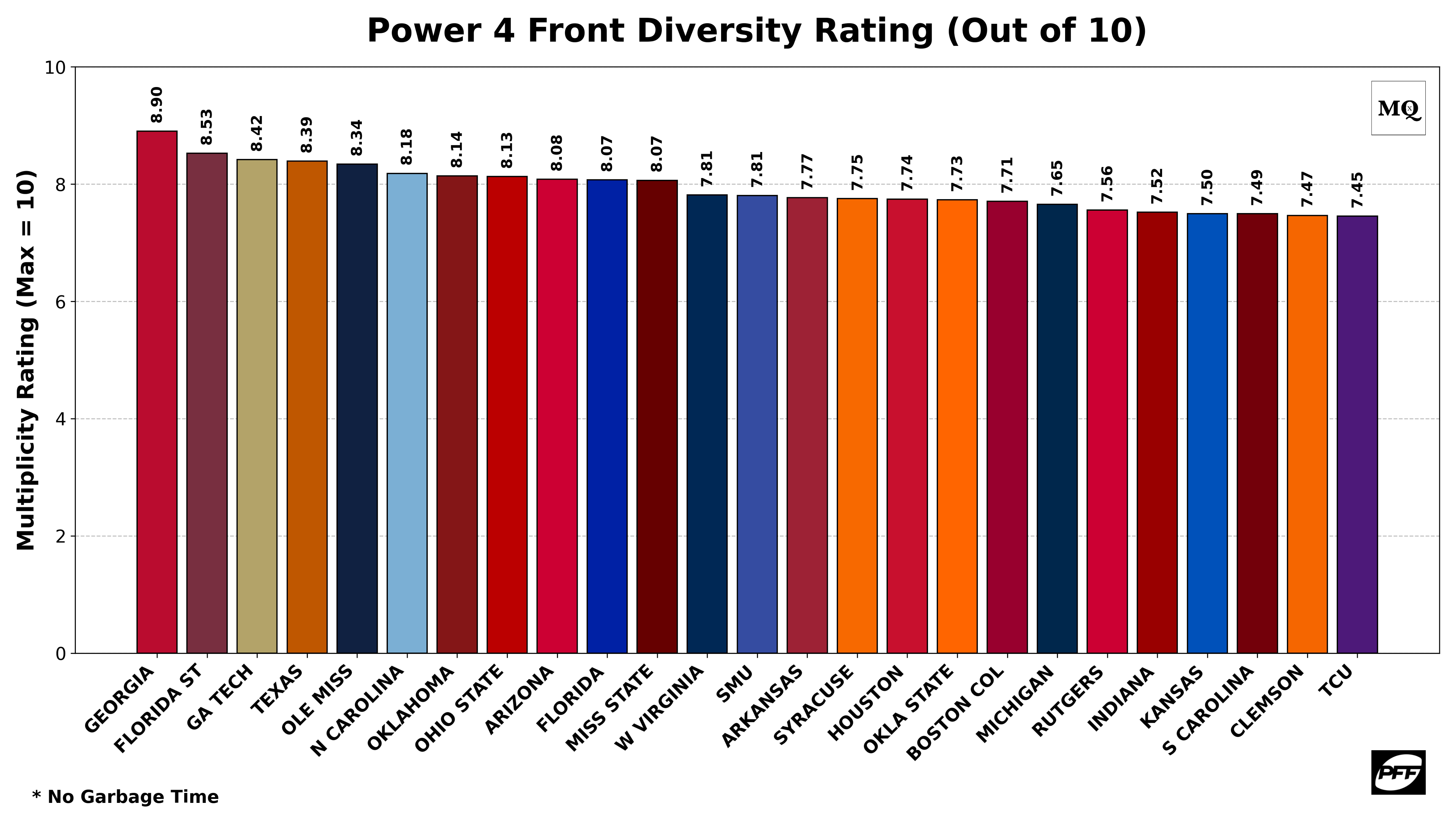
Smart & Co. solves the run-fit issue in multiple ways. Georgia’s defense is built on the notoriously complex, voluminous Saban system. When it comes to front diversity in the Power 4, Georgia leads the way.
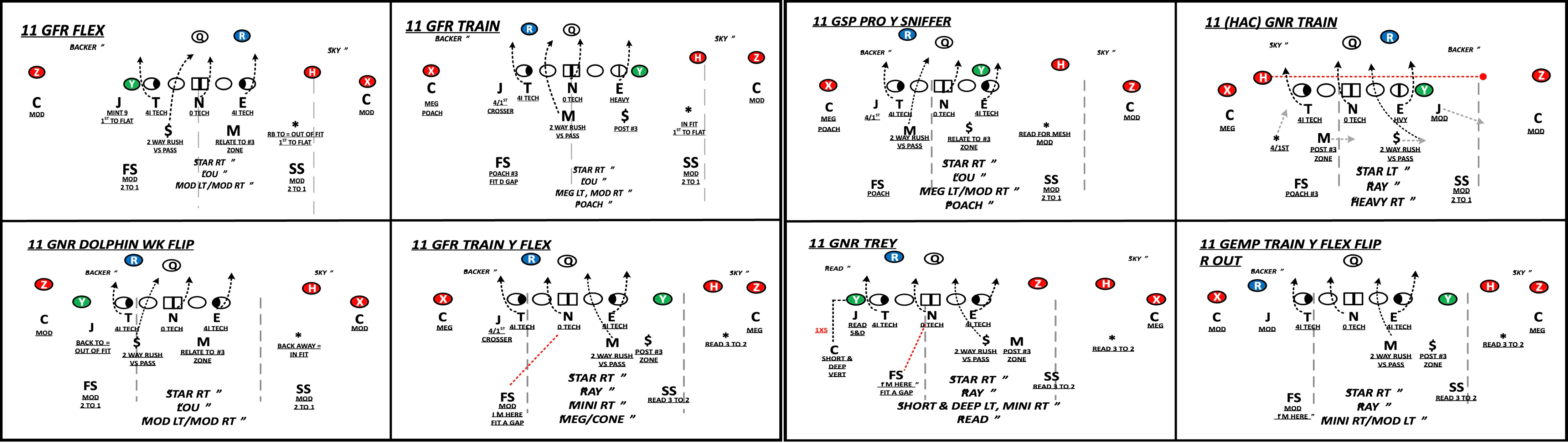
Each week can bring a different structure to stop the specific problems their opponent presents. But just like their simple foundational principle of stopping the run, their “base” defense also stems from a solid foundation: the Tite Front.
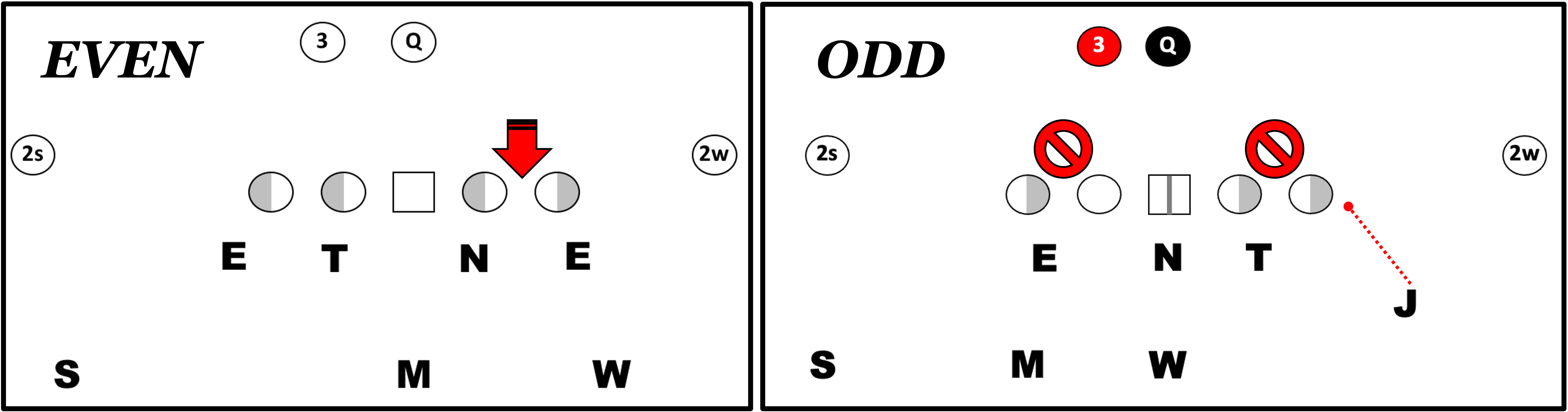
The Tite Front is an odd-spacing alignment that closes the B-gaps and puts a Nose head-up on the Center. In Base, this makes the Bulldogs a 3-4, but against Spread offenses, the package becomes what they call “Mint,” placing a Nickel (Star) on the field instead of an Edge.

When offenses run the ball, regardless of structure, the Georgia defense fits the run the same way, using line movement and “reductions” to close the B-gaps. Even in their traditional “Over” alignments, which Georgia ranks 63rd in usage in the P4 (~19%), they use reductions to get to odd spacing.
Above, the Bulldogs are in a “Heads” alignment (5th in P4 usage), with both interior D-linemen (iDL) head-up on the Guards. After the snap, the front will morph into an odd-spacing front, with the field DE ripping into the B-gap and the boundary iDL “lagging” into the boundary B-gap. From an Even Front, the Bulldogs still get to their odd spacing.
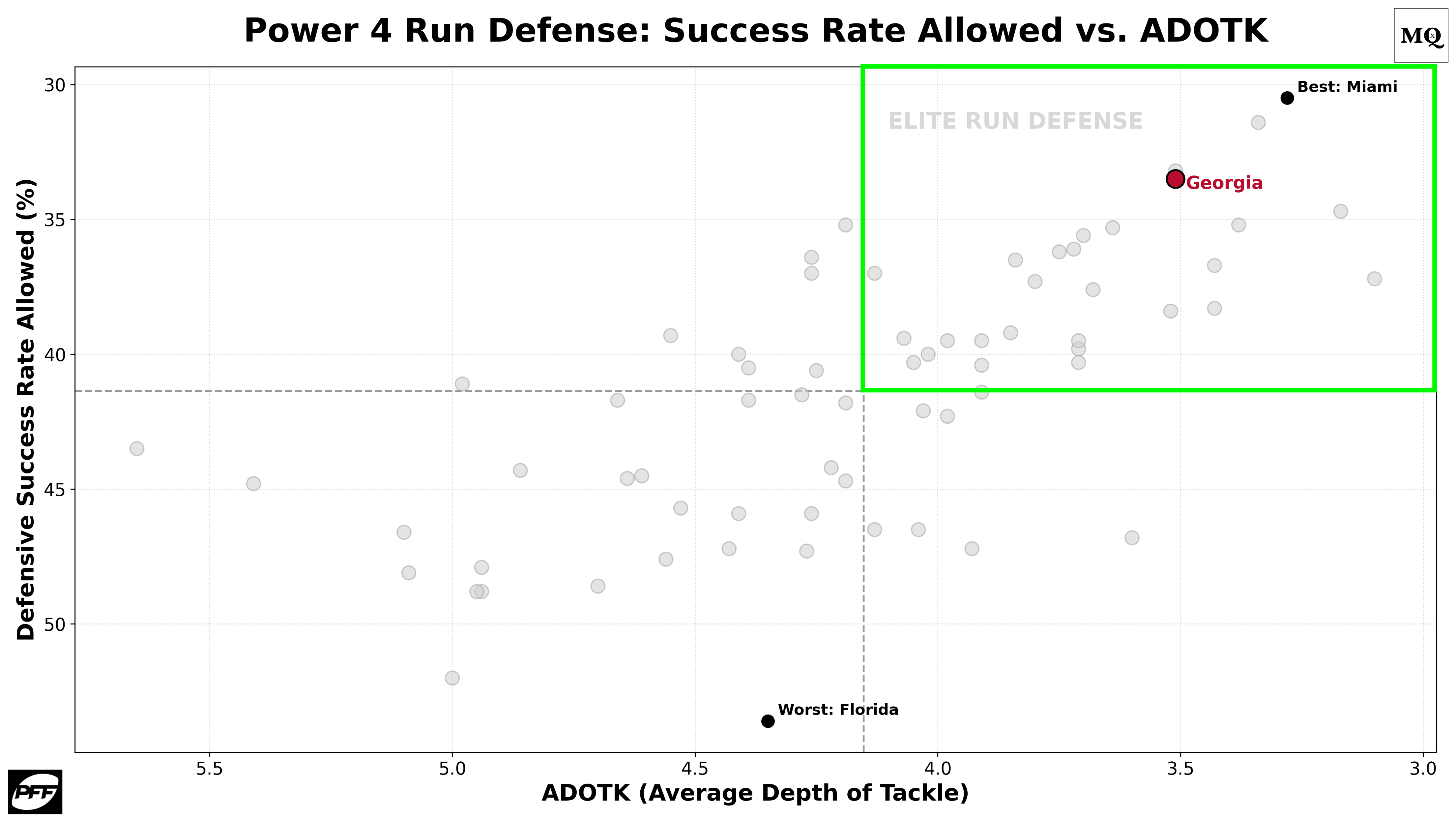
Not all defenses are built the same. Florida ranks second in front diversity but has the worst Rushing Success Rate in the Power 4. Georgia’s consistent foundation of odd spacing lets them change the picture while keeping things simple for their players.
Georgia is an attack-style defense, but it is built on first-order principles. What looks complex to opponents is simple for the Bulldogs to execute.
Against Florida, the Bulldogs showed how they can fit a light box while using pressure as a force multiplier. Heading into Week 10 of college football, Georgia holds the seventh-highest Blitz Rate in the P4 (44%) and the 26th-best Run Blitz Rate (32%).
Even in their run blitzes, the basics stay the same with both B-gaps closed. The Bulldogs’ odd-spacing run pressures completely shut down Florida’s run game, holding the Gators to 48 rushing yards and 1.7 YPC.
Surviving the run with a five-man box is a math problem pressure can solve. To see exactly how the Bulldogs read the Guards, set up their pick stunt, and build a natural wall against outside zone, let’s dive into the tape.
