


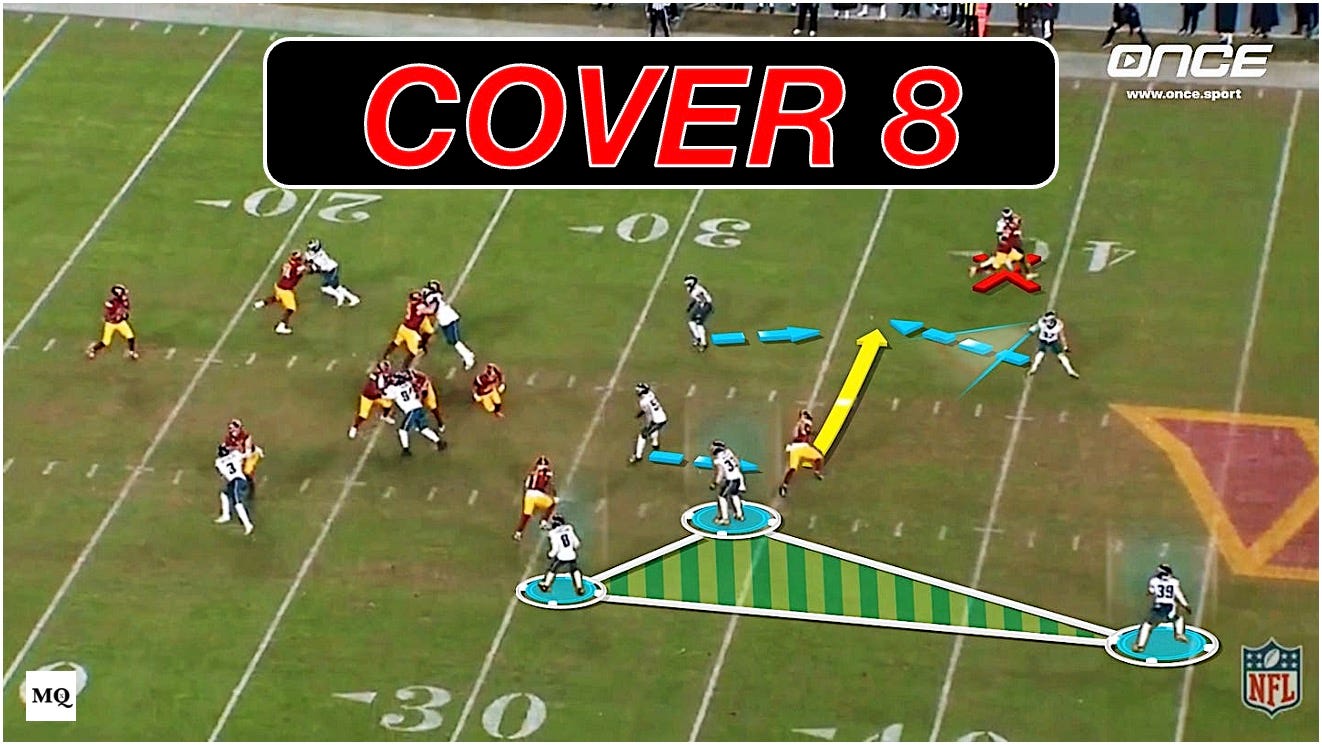
For decades, the NFL used the Tampa 2 and Quarters defenses to defend long-yardage passing downs. Spot-drop schemes were easily targeted by 3x1 formations and had predictably soft, target-rich areas on the field. The league as a whole has always been a closed-post ecosystem, until now.
During the “Legion of Boom” era, the league shifted to a zone-match Cover 3 on standard downs. Again, a static alignment that modern spread offenses could clearly identify and attack.
Then, in 2020, Vic Fangio and Brandon Staley launched the “Two-High Revolution” by lining up in a two-high shell on more than 80% of their plays. That trend has continued over the past six years and is now the meta for pre-snap defensive alignment. In 2026, defenses are looking for ways to play split-field coverages while still fitting the run and countering pre-snap motion and play-action passing.
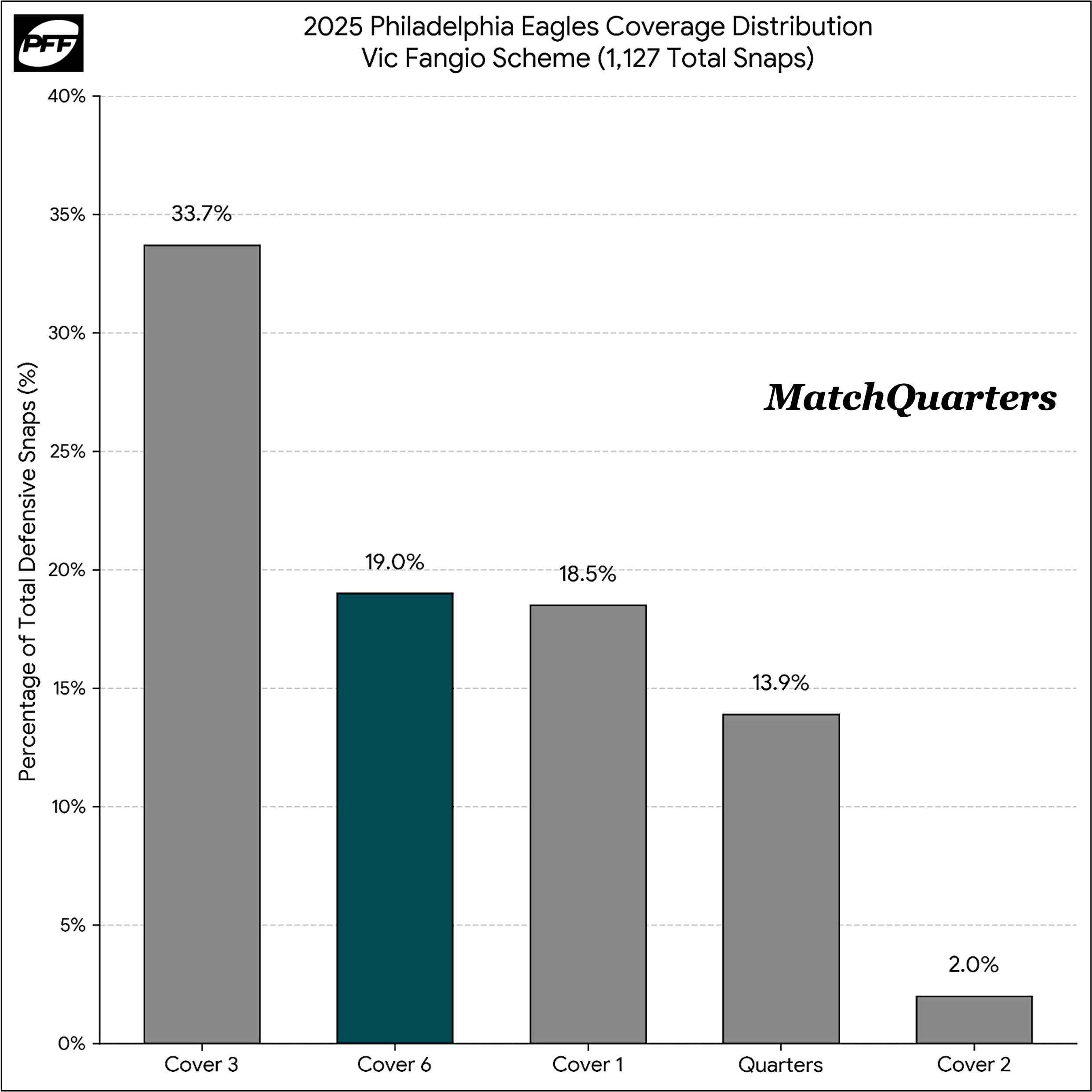
The Fangio system is based on a weak rotation Cover 3 (Cover 9) foundation. The structure is what allows the defense to play its unique brand of “rotational” split-field coverages. Fangio’s favorite split-field coverage, Cover 8, falls under the Cover 6 family and aligns almost identically to his Cover 9 base.

Cover 6, or Quarter-Quarter-Half, is not a new coverage. The system complements Quarters and builds a zone “double” over the receiver away from the passing strength. The “X” receiver is, even today, typically the best pass catcher on the roster because that is where offenses can consistently find one-on-one matchups.
But Cover 8 is almost uniquely “Fangio,” though some teams around the league have started to adopt it. In “8” or “Trix,” the defense places the Cover 2 side to the passing strength or Nickel. The Weak Safety is now a Quarters defender, meaning he can “poach” the front side versus 3x1 or play vision, creating a layering effect in the middle of the field.
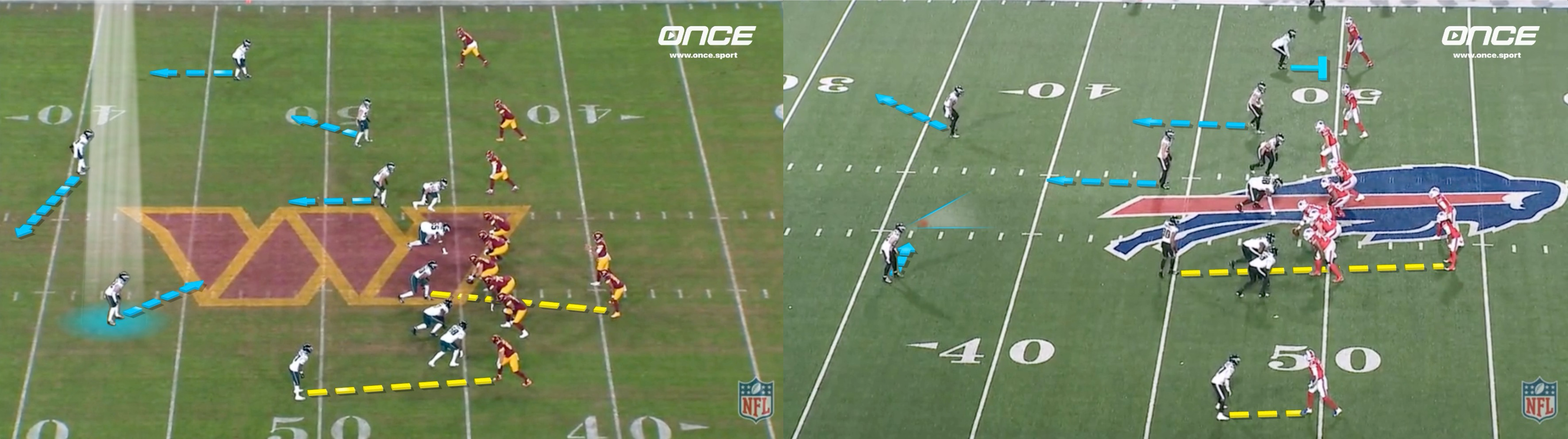
By playing from a two-high shell, Fangio can mask his intentions, while creating a scenario where the first few seconds of every passing play look the same. The pre-snap two-high shell forces opponents' quarterbacks to read identical post-snap movement across Cover 6, Cover 8, Quarters (Quads), and Cover 9. Rarely will a quarterback designate the field-side CB as his primary read, especially in a 3x1 formation.
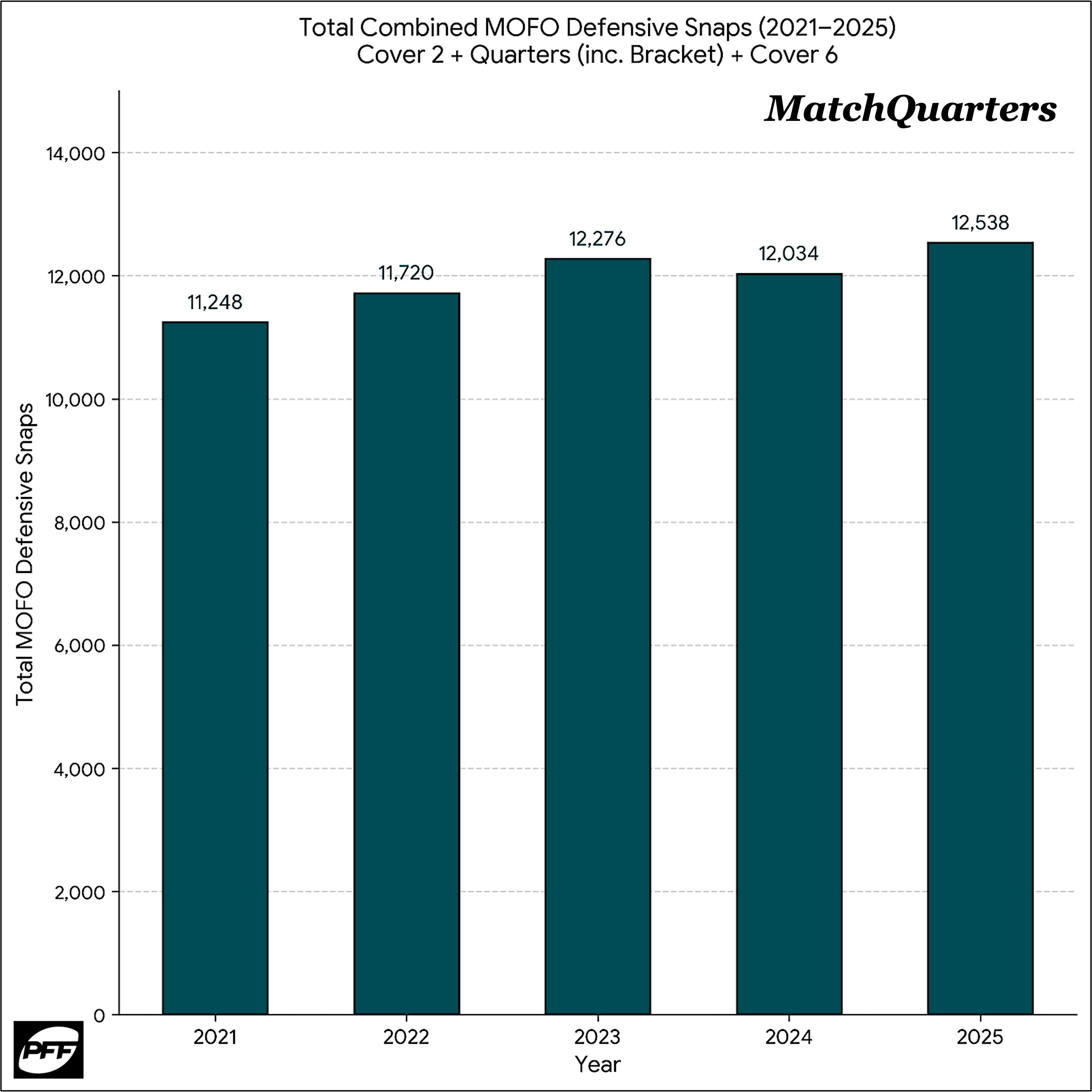
Split-field coverages have become a critical part of modern defenses, with Quarters usage rising to 15% in 2025. Cover 6 usage during this time continues to hover between 8% and 9% league-wide. The rotational coverage scheme is clearly tree-based when examined in the data. Coaches within the Fangio tree use coverage between 18% and 25%, more than double the league average.
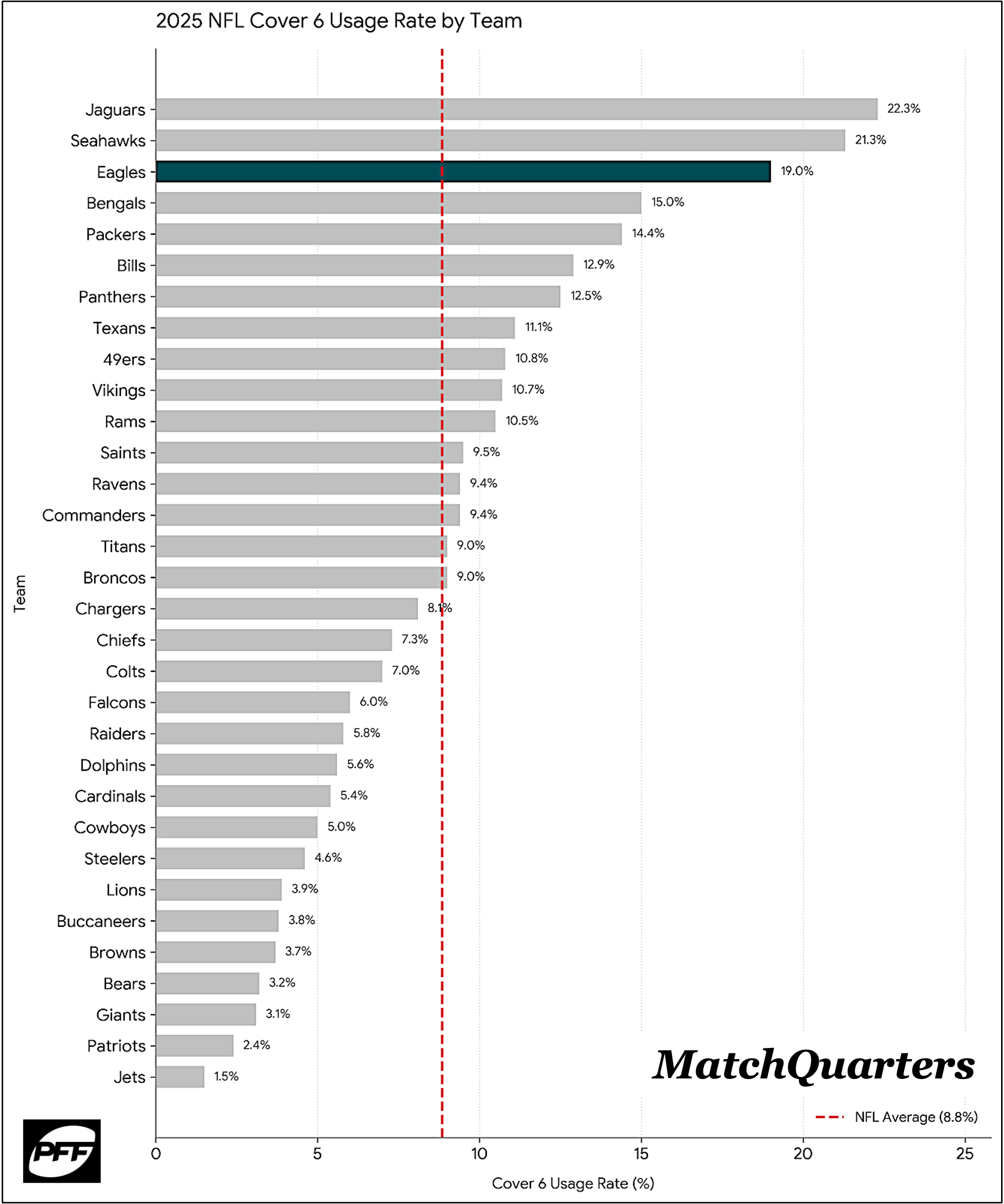
The only other system outside the direct Fangio tree that has adopted the rotational system is the Ravens' coaching staff, led by Seattle’s Mike Macdonald (#2 on the chart). The Saleh-adjacent tree (Packers, Texans, 49ers, Falcons) utilizes a traditional Cover 6. The system is highly technical, which is why most teams default to standard match-Quarters.
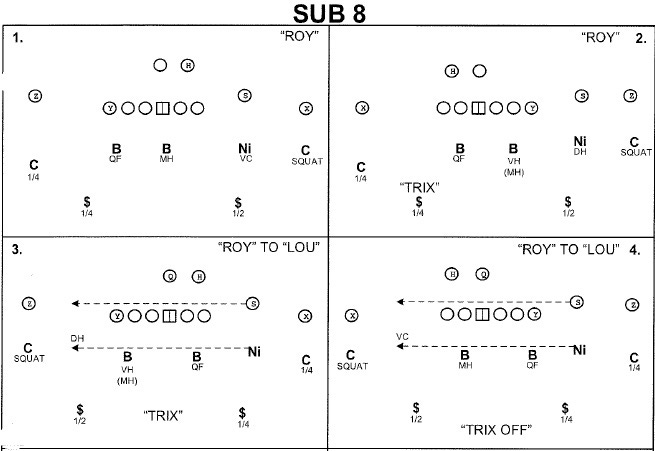
Outside of Jacksonville, whose defensive coordinator Anthony Campanile worked under Fangio in ‘23, the Eagles are the premier Fangio-tree team when it comes to Cover 8. Though Philly gave up 13.8 YPR, the coverage functioned as a highly efficient ball-hawking tool, generating four interceptions and eleven PBUs.
Combined with the Eagles’ league-leading 3-Seam usage (11.6%) and Quarters (14%), the weak rotation-based defense uses coverage to create pressure. Unlike the current trend within the league to use split-field structures behind blitzes, Fangio balks at that philosophy with a 2.5% Quarters pressure usage.
Quarters has increased in usage and become more stable coverage for the Eagles. It can also mask the “tilt” in the two-high scheme a little better.
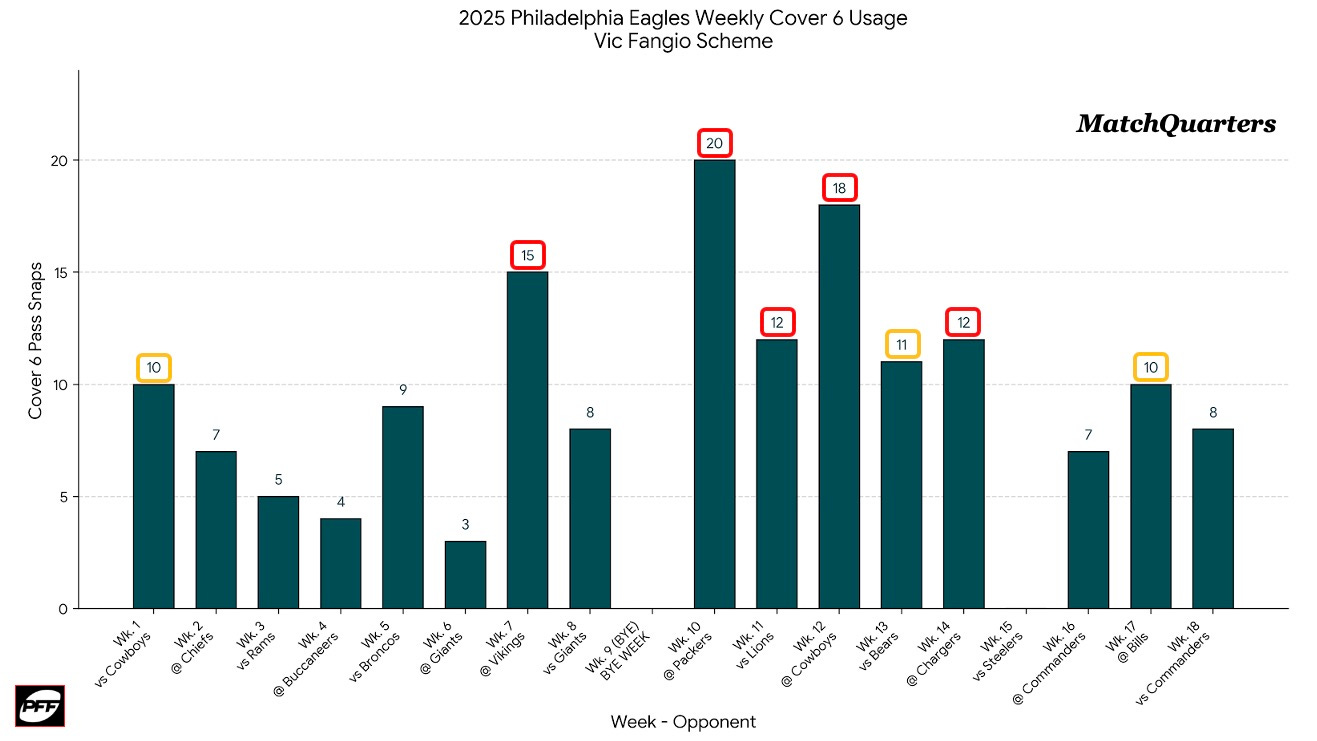
The use of Cover 8 is also highly game plan-dependent. Last season, the Chargers, Cowboys, Lions, Packers, and Vikings ran the coverage on more than 12% of their plays, with the Packers running it on 20%. The trade-off for Cover 6 was vertical exposure. The coverage, when seen, is easy to manipulate, and one of the reasons the Eagles have pivoted to more Quarters usage the past two seasons.
With elite talent at the boundary CB and Nickel spots, Fangio has shifted toward more man (Cover 1) and match-heavy schemes such as Cover 9 and Quarters. Looking at the data, the explosive rate dropped by more than 5% when Fangio called Quarters instead of Cover 8.
Still, there is value in the coverage and in using it against modern passing schemes, and no one runs the full system better than the man who created it. Cover 8 is an excellent way to create backstops for deep crossers by poaching the backside safety, while also gaining a leveraged flat defender and a deep cap to the passing strength.
Let’s dive into the tape and break down how Cover 8 is structured not only against 3x1 formations, but also against 2x2 and Empty alignments. To run everything from a two-high shell, all the coverages have to marry and look alike pre-snap.

—
Subscribe for full access. Teaching split-field coverages shouldn't create rule confusion for your secondary when offenses force motion or stretch you vertically from a two-high shell.
Access full coverage sequencing, film, and complete coverage breakdowns for Cover 8 and the entire Fangio schematic tree with MatchQuarters.
Help your coaching staff eliminate hours of manual film organization. The Cutup Generator automatically creates custom cutups, charts, and title slides directly from your tagged data.
