Last offseason, Head Coach Matt LaFleur fired defensive coordinator Joe Barry and brought in Boston College Head Coach Jeff Hafley. The Packers immediately began a roster overhaul, which included six defensive draft picks and the signing of Xavier McKinney from the Giants.
Hafley would also be tasked with a transition from a 3-4 base to one featuring a four-down Wide-9 front. Barry and LaFleur had worked together for one year in LA when Matt was the offensive coordinator for Sean McVay in 2017. Barry saw the transition from the Wade Phillips to the Fangio system under Brandon Staley.
After three seasons, LaFleur pivoted to a defense that more reflected Robert Saleh, a longtime friend. Hafley worked with Saleh in San Francisco for two seasons, ‘17 and ‘18, before taking the co-DC job at Ohio State. He eventually took the four-down single-high-based defense with him to Boston College.
For pundits, outside of the move to a four-down base, it wasn’t clear how the defense in Green Bay would look. Hafley was Wide-9 based at Boston College but mostly ran Cover 1. LaFleur had mentioned in the lead-up to hiring Hafley that he wanted to switch to a more vision-based system that relied less on match or man coverage.
For some, it was confusing to hire a man who primarily ran man coverage to transition to a vision zone scheme, but for Hafley, man coverage was a necessity. At Ohio State and Boston College, Hafley ran a man-dominant scheme because he could recruit those types of players.
Think of man coverage as an easy button. It’s less expensive to teach, and a staff can easily identify specific body types and traits, which also reduces recruiting costs. The cost here refers to time, and time is money.
For the 49ers, Hafley witnessed the evolution of the Saleh defense into its current form. In 2018, Saleh began to depart from the Pete Carroll system he had learned, transitioning to a Wide-9 vision zone coverage structure that included Cover 3, Quarters, and some Cover 1 on certain downs (i.e., 3rd & Medium). Hafley would carry the front structure to college and set aside the coverage usage until last year.
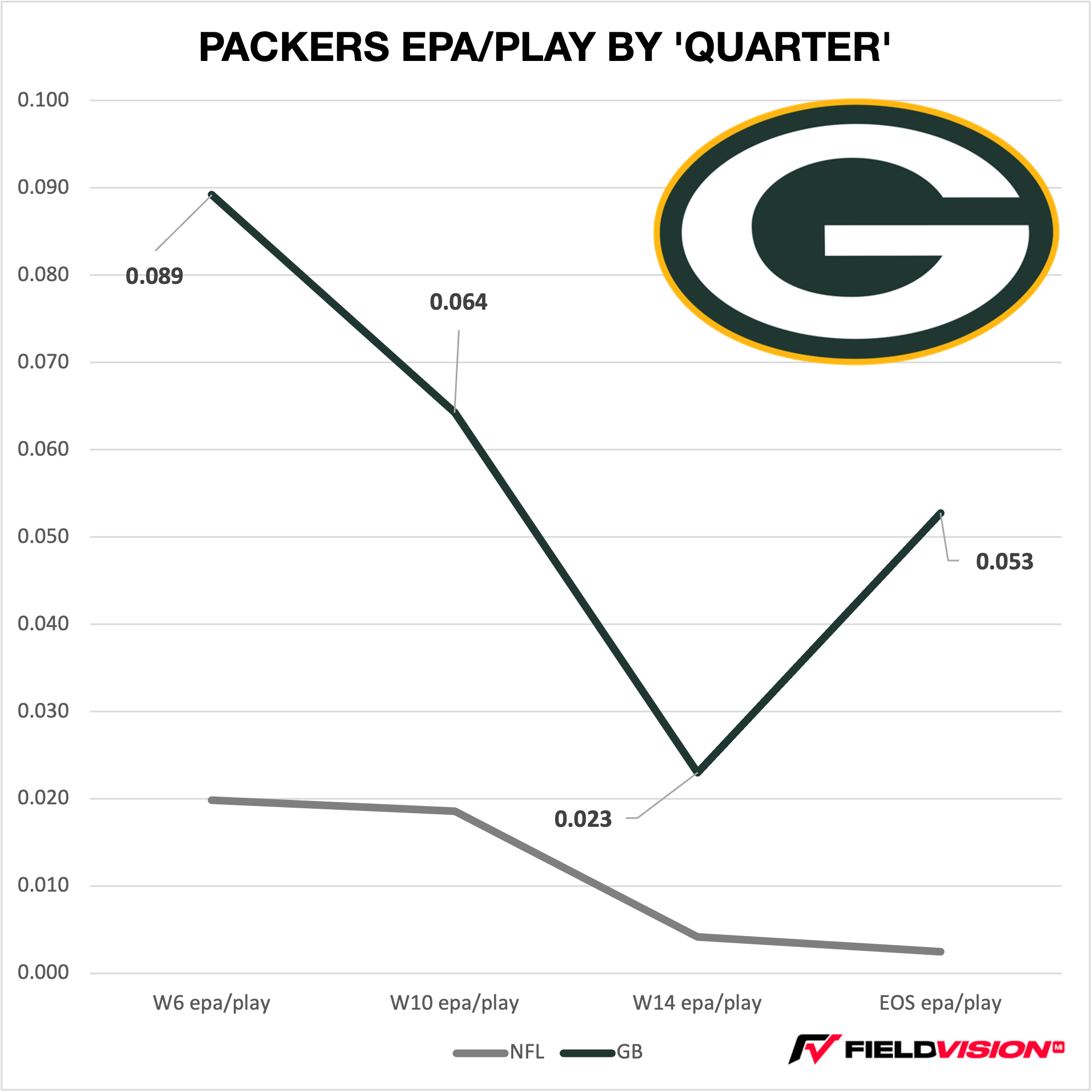
In year one, the Packers' defense finished seventh in FTN’s DVOA (a metric measuring efficiency). There was a lull in the third ‘quarter’ of the season, but defensively, Green Bay had a strong finish. Hafley improved the run defense, with the Packers finishing seventh in Run DVOA, up from 26th in 2023. The passing defense also finished in the top ten (ninth), again up from 26th.
Even with players in and out of the back-end roster, the secondary played very well in Hafley’s first season. Green Bay was sixth in EPA/Dropback and had the fourth-best Turnover Worth (TOW%) throw percentage (4.5%). Though their Open Rate was 23rd, they consistently held opposing offenses in check through the air (FTN).
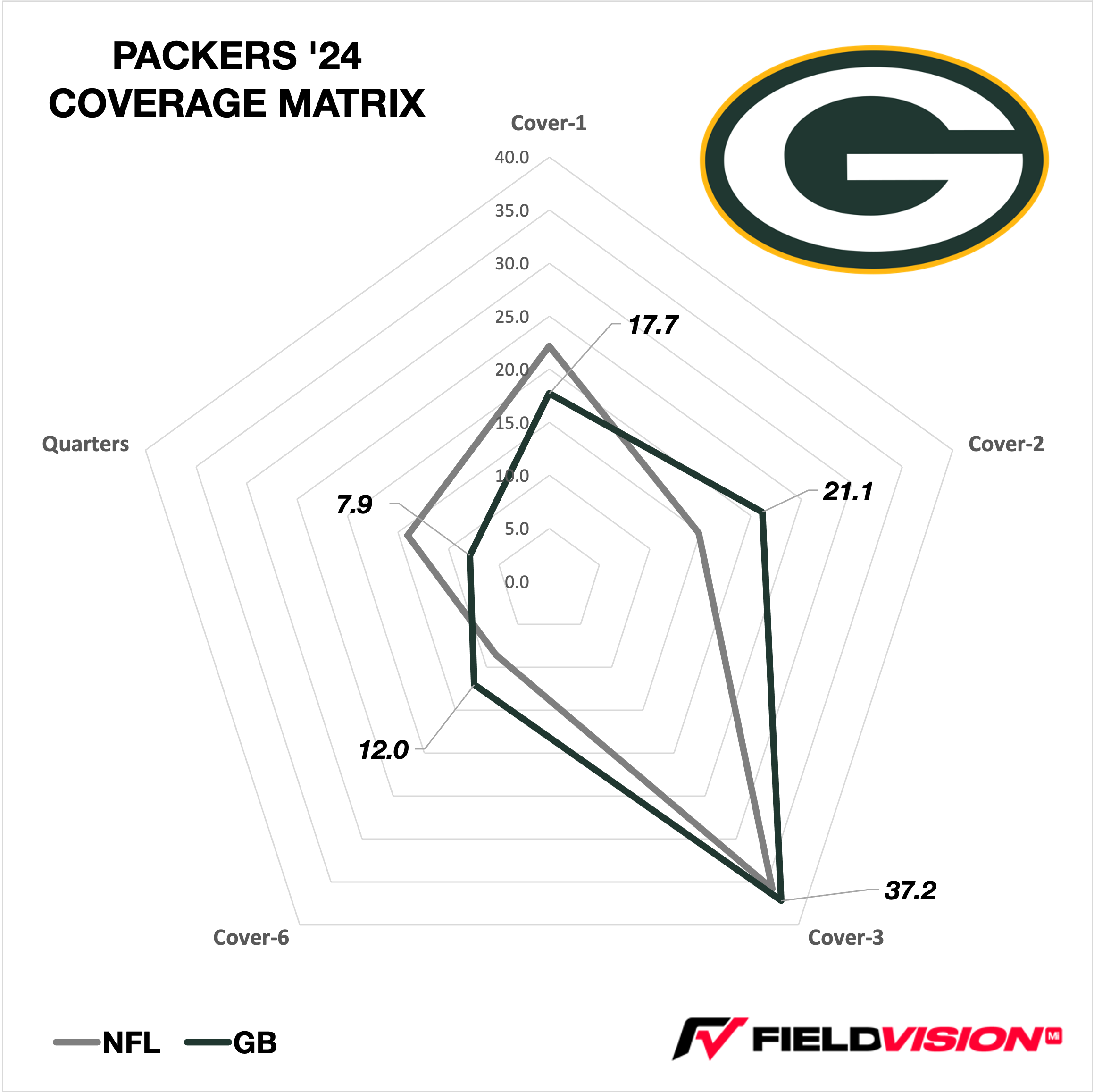
Ironically, the Packers achieved this with the second-lowest man coverage percentage in the NFL. Remember, Hafley had some of the highest Cover 1 rates at the college level. The secondary was primarily Cover 3-based, ranking third in one-high Yards Per Dropback (5.4) in the NFL and in Explosive (20+) pass percentage (FTN).
The success in the secondary has enabled the Packers to part ways with former first-round draft pick Eric Stokes (Raiders) and prompted a discussion with Jaire Alexander about restructuring his contract, which eventually led to his release and subsequent signing with the Ravens. Ultimately, Alexander, who hasn’t played in more than seven games in the past two years, was expendable.
Xavier McKinney was a star last year, and the additions of Javon Bullard and Evan Williams allowed the Packers to move former nickel Keisean Nixon outside. Nate Hobbs was brought in from the Raiders and will likely remain outside due to Bullard’s excellent performance in the slot last season. Underrated cornerback Carrington Valentine is also a solid option as the third cornerback.

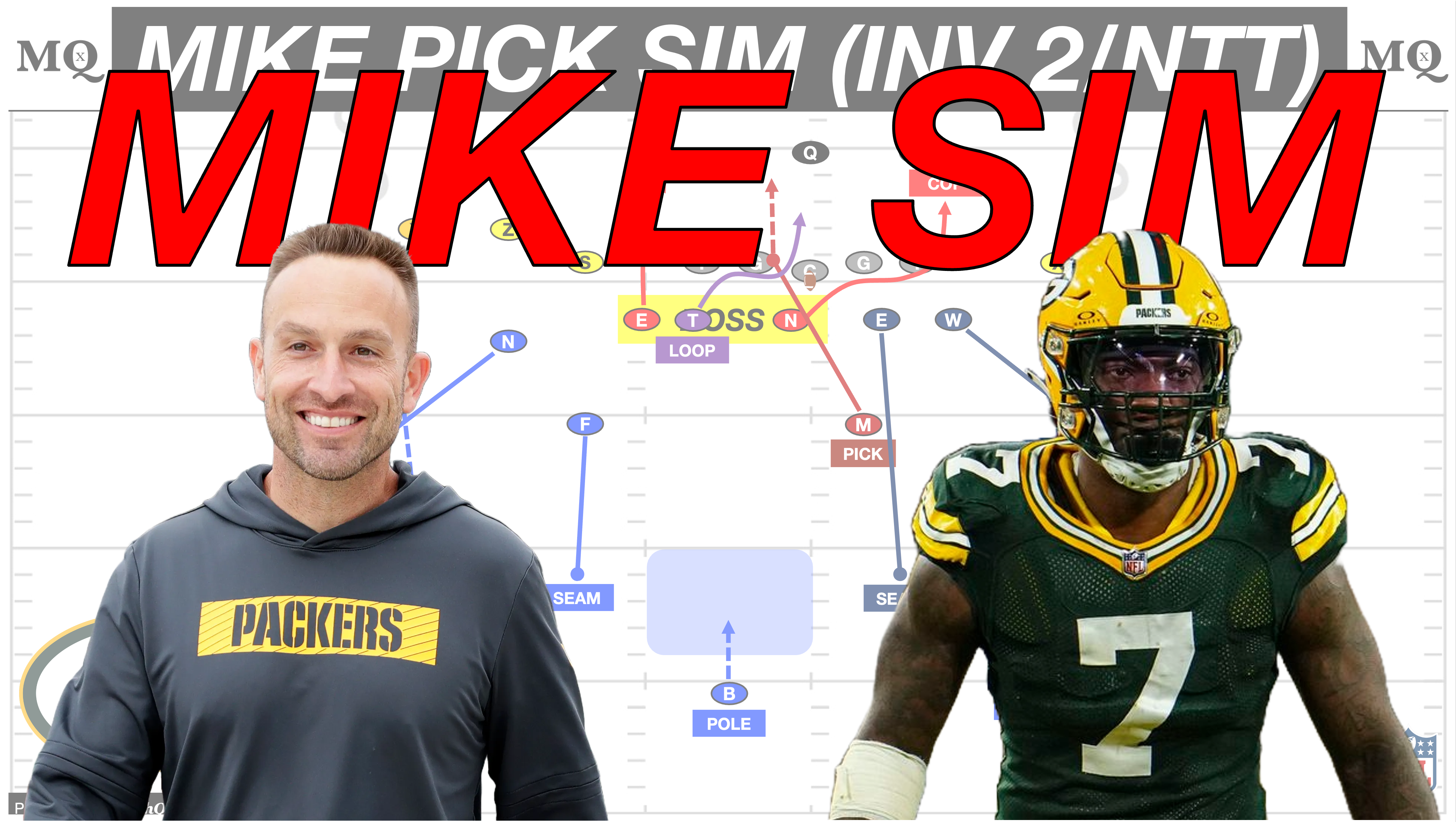
Green Bay combined its Cover 3-based system with Tampa 2, and the Packers ranked fifth in Cover 2 usage last season at 21.1%. Non-traditional Tampas (NTTs), which feature coverage disguise and typically don’t have the Mike in the ‘pole,’ is a perfect complement to a single-high dominant defense.
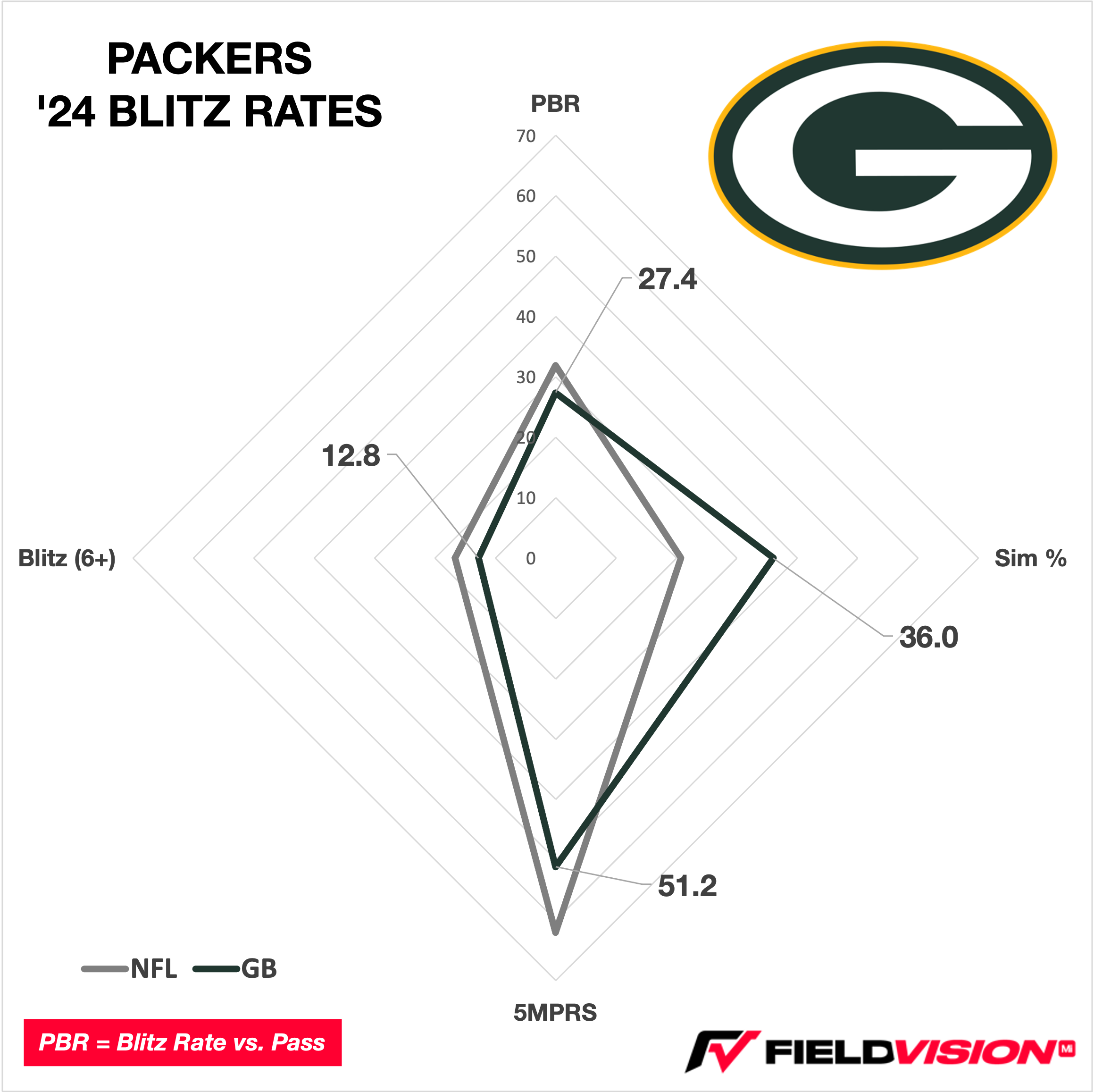
One of the main differences between Hafley’s college experience and the pro level was the transition to more zone coverage, a league-wide trend (Remember LaFleur’s comments on vision-zone?). Another notable deviation from his time at Boston College was his tendencies towards pressuring opponents. At Boston College, Hafley primarily featured a five-man pressure defense with Cover 1 coverage behind them. Last season, the Packers were fifth in Simulate Pressure Rate (36%).